
Learn More
Every time I told someone where I was headed, I got the same puzzled look.
"I'm going to Bohemian Switzerland," I'd say.
"Say what?" came the inevitable reply.
It's an understandable reaction. Despite being one of Czechia's most spectacular natural areas, Bohemian Switzerland remains largely unknown to many North American travellers. That's a shame because it's an ideal destination for travellers who enjoy walking, photography, good food and a slower pace of exploration.
I’d seen photos of this place long before I ever set foot there — images of soaring sandstone cliffs and lush, misty forests that looked straight out of a fairytale. The name itself caught my attention, too. Bohemian Switzerland? It sounded both exotic and familiar, a place where wild nature and quiet charm might coexist. So when I began planning an itinerary through parts of Germany and Czechia, I made sure to include it.
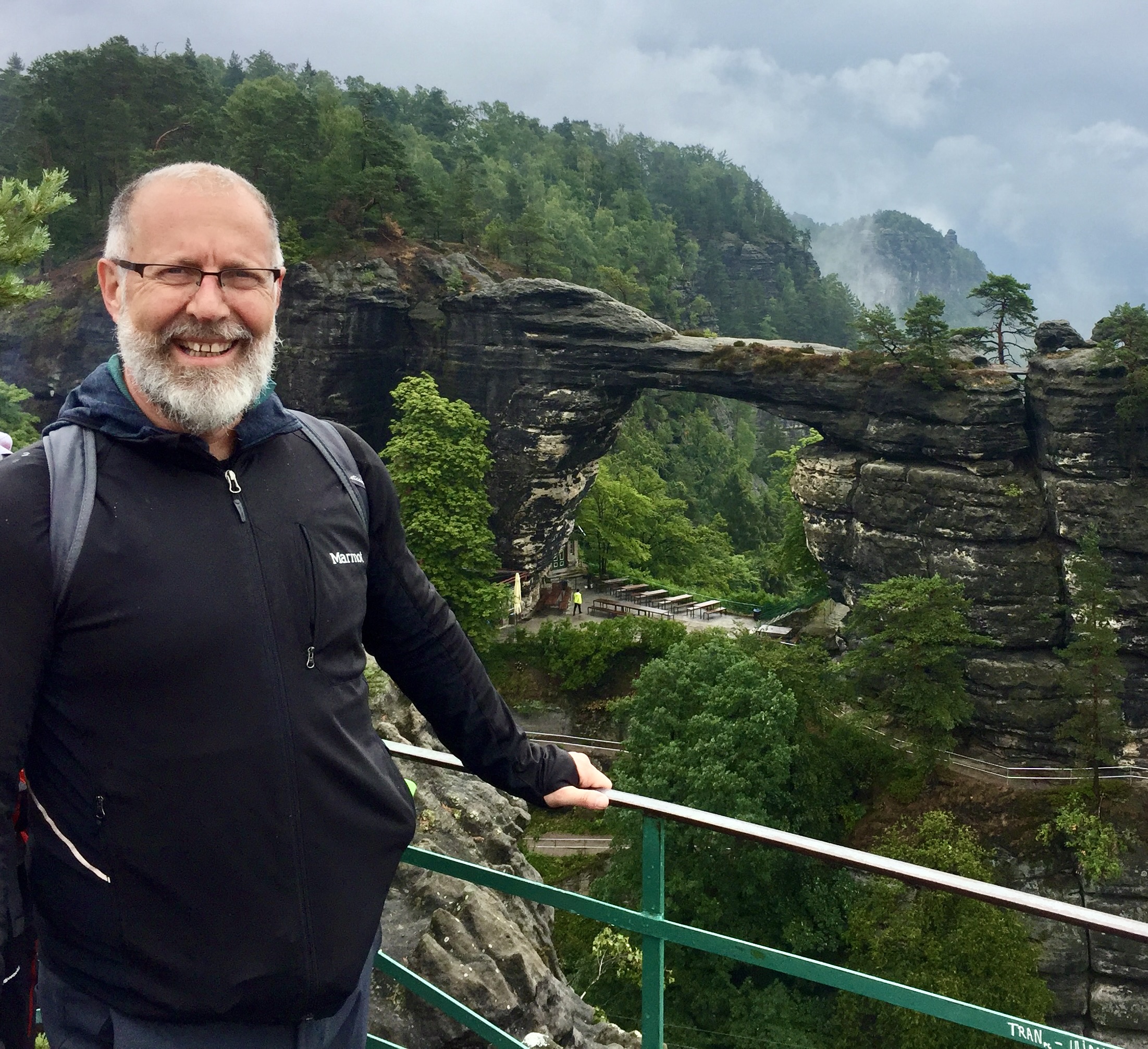
Bohemian Switzerland National Park — also known as Czech Switzerland — sits in the northwest corner of Czechia, just a 90-minute drive from Prague. Protected since 1972, it’s part of the Elbe Sandstone Mountains and connects to Germany’s Saxon Switzerland National Park just across the border.
Once there, it felt like stepping into another world — a place where you can exhale deeply, move at your own pace and feel nature working its magic.
A Landscape Born of Water and Time
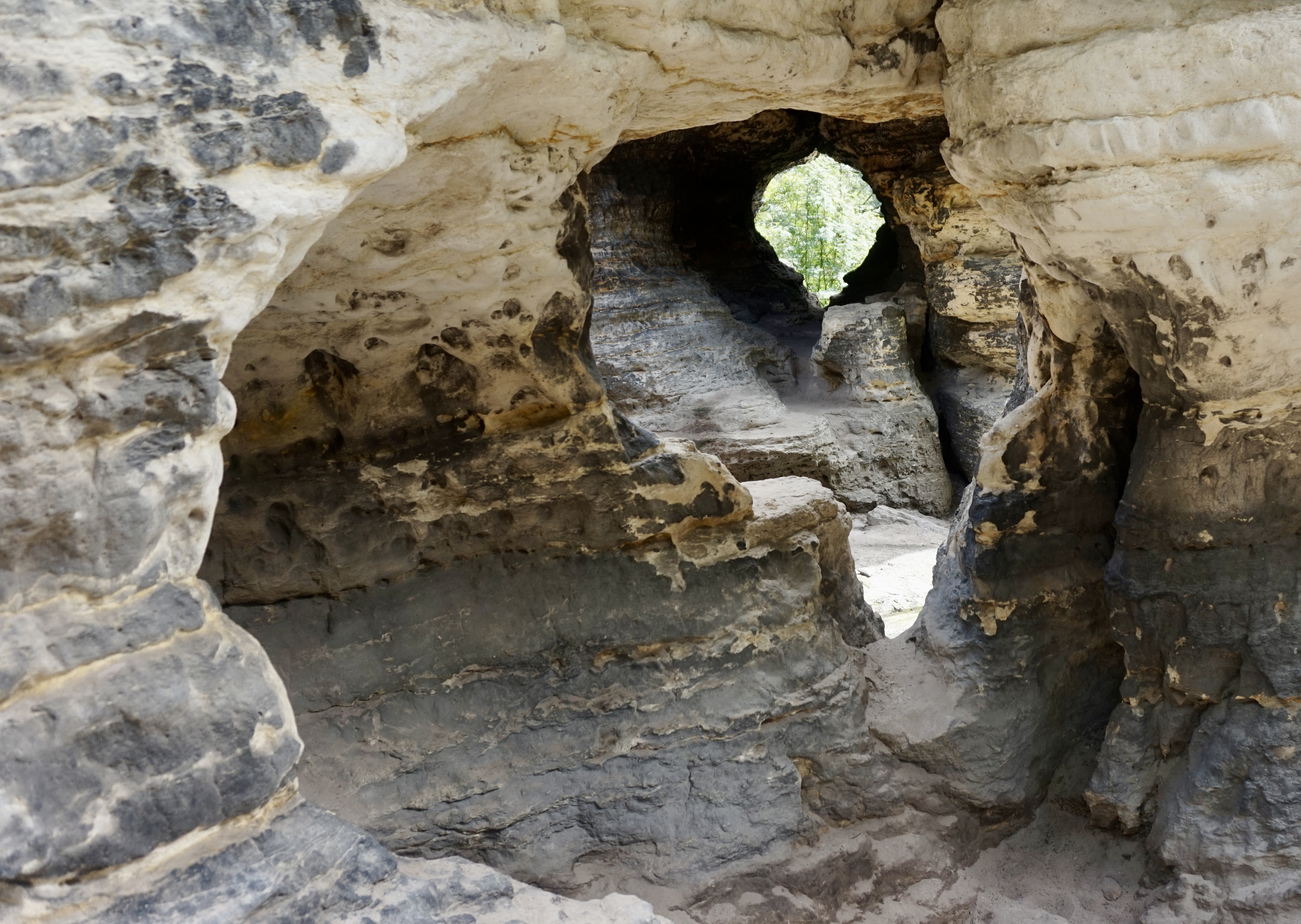
Bohemian Switzerland’s terrain was once the floor of a vast sea. Over millions of years, the waters receded, leaving behind layers of sandstone that wind and rain slowly sculpted into the canyons, arches, and cliffs seen today.
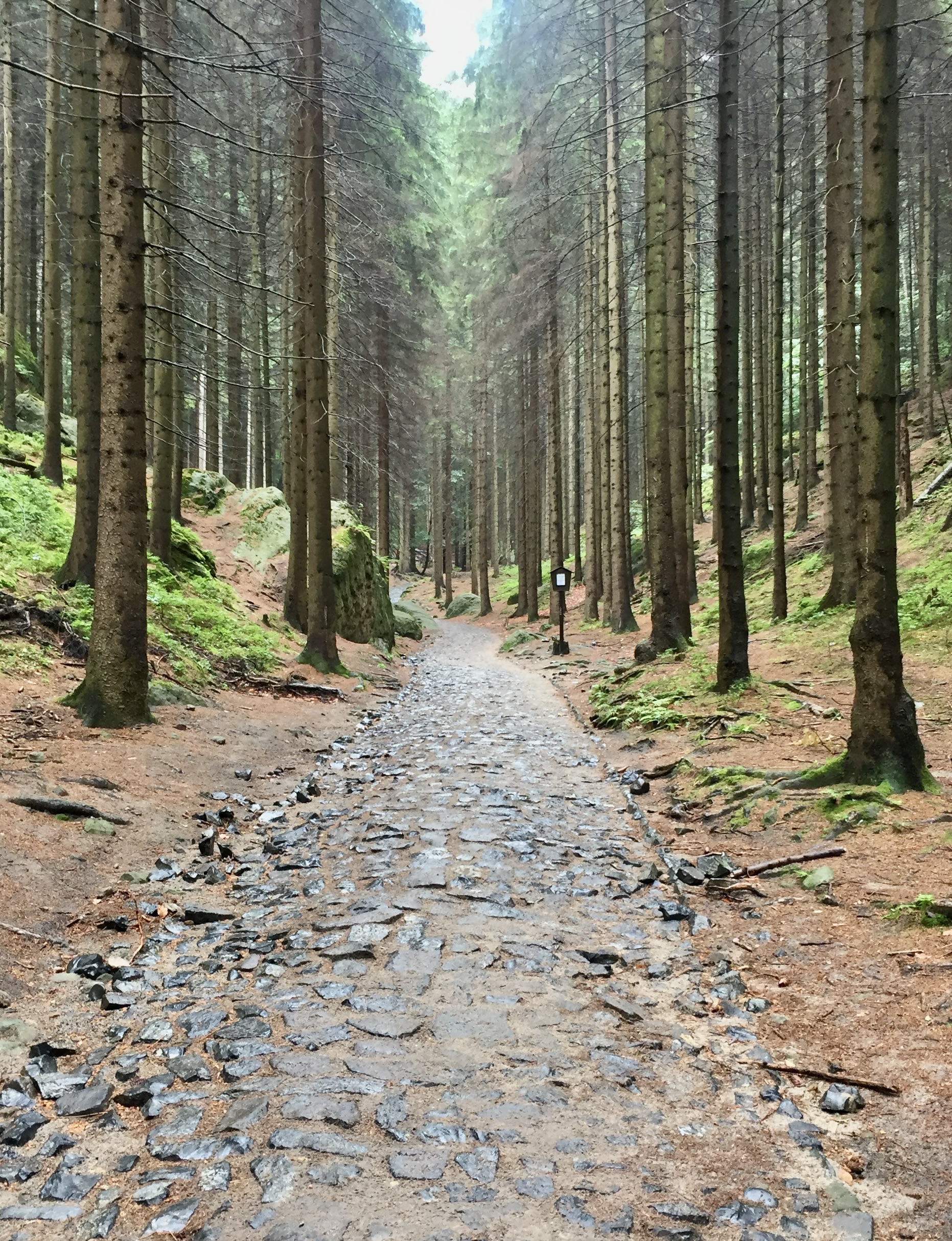
As I walked through the trails, I kept thinking how familiar yet foreign it felt — the forests reminding me of home, only taller, older and somehow wiser. The silence was the kind that makes you slow your step just to listen.
I thought I’d seen the most vibrant greens hiking through Ireland — but here, the colours seemed to multiply with every turn.
Craggy sandstone towers rise above the forest floor, wrapped in moss so green it almost glows. I thought I’d seen the most vibrant greens hiking through Ireland — but here, the colours seemed to multiply with every turn.
The Big Three
There’s no shortage of beauty here, but this trio of places stood out:
— With an opening nearly 52 feet (16 metres) high, Pravčická Gate is the largest natural sandstone arch in Europe. It looks almost sculpted by hand — massive yet surprisingly graceful. Concern over erosion has kept visitors from climbing on the arch since 1982, but it remains one of Czechia's most remarkable natural landmarks. If it looks familiar, that's because it appeared in The Chronicles of Narnia: The Lion, the Witch and the Wardrobe, which filmed several scenes here.
The only way to reach the gate is by foot, on a gentle 45-minute walk through the forest from the village of Hřensko. It’s a perfect trail for anyone who enjoys nature without needing to break a sweat — peaceful, scenic, and wonderfully quiet.
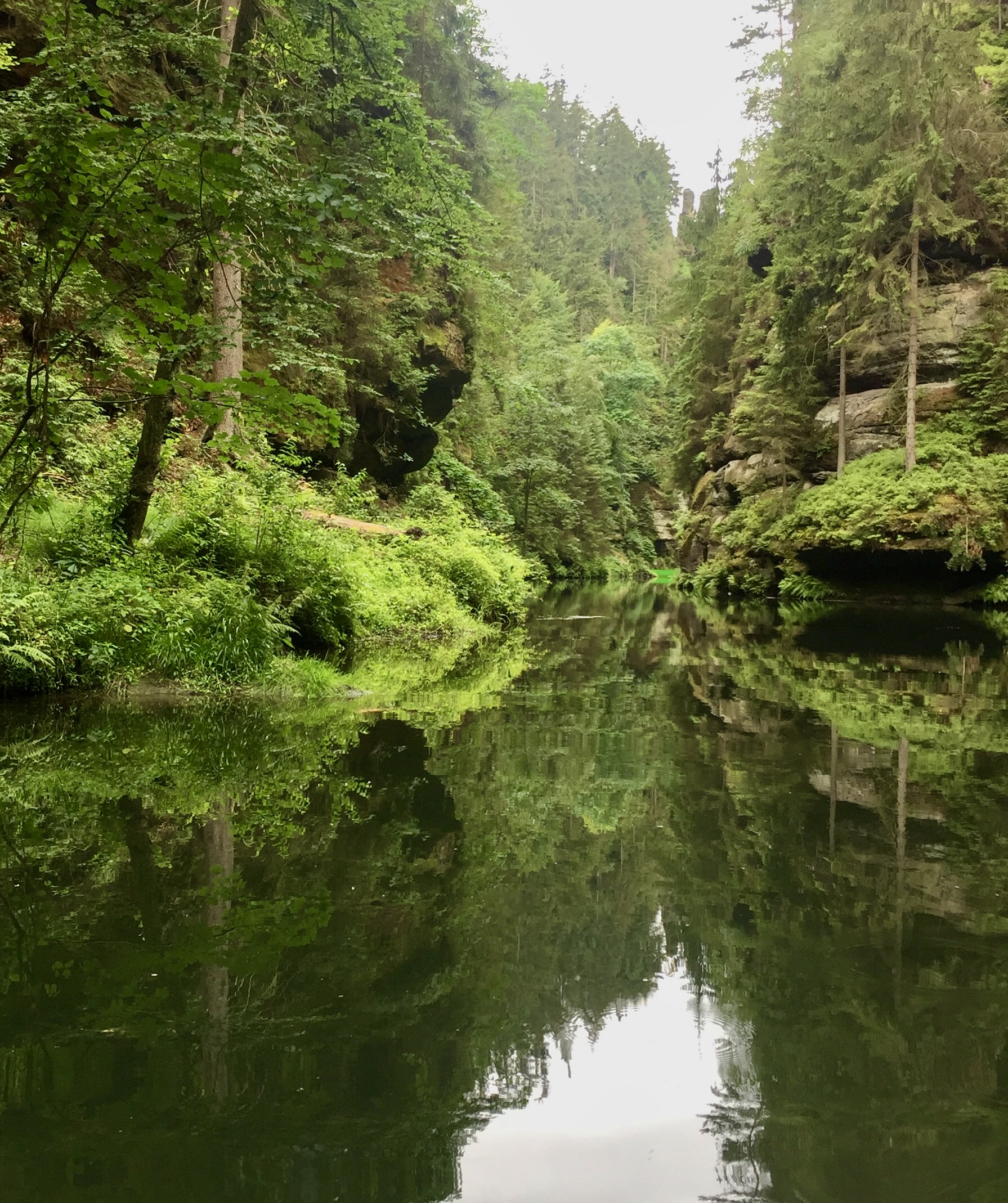
— Next came the Gorges of Kamenice, where small wooden boats glide silently through a narrow canyon, the walls rising high above the green water. The guides point out rock formations that resemble everything from faces to animals — “See Bart Simpson there?” one joked — but the real beauty lies in the stillness.
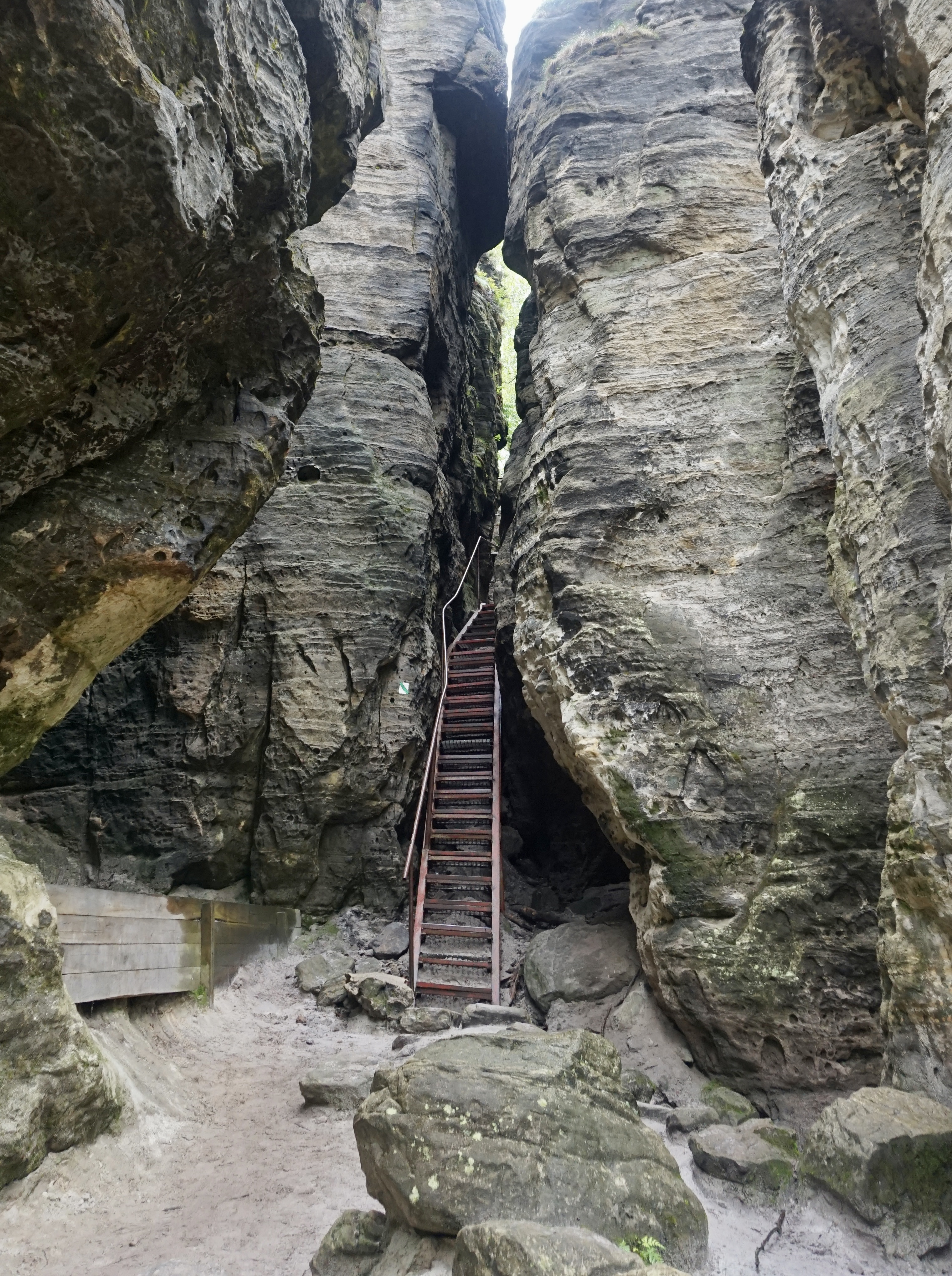
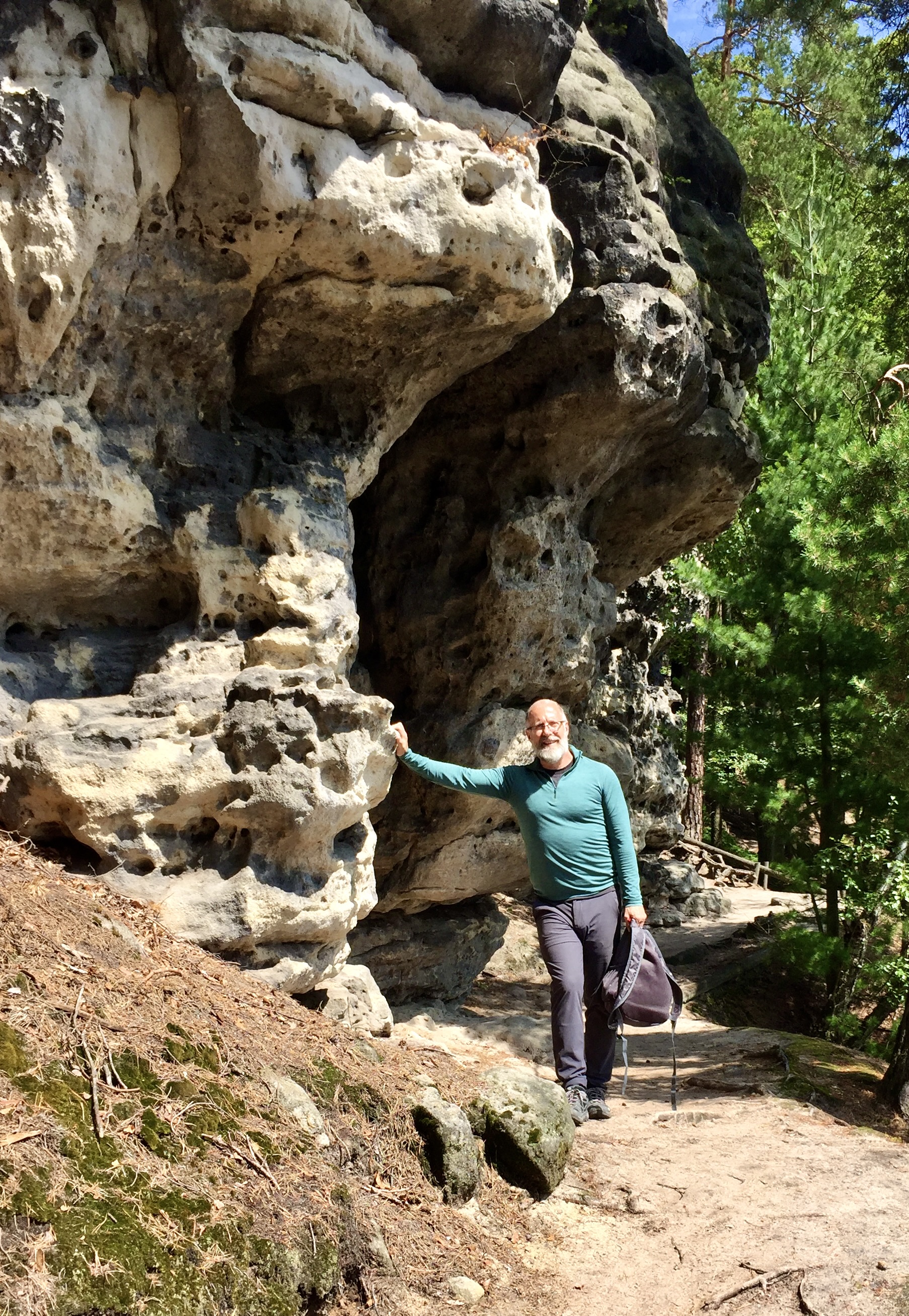
— And then there’s the Tisa Rock Labyrinth, a surreal network of cliffs, towers, and passageways near the village of Tisa. It feels like walking through a stone city built by the wind. Locals gave many formations whimsical names back in the 19th century — the Shoe of Napoleon, the Dancing Bear, the Cave of Monsters — and wandering among them feels equal parts childlike and awe-inspiring.
A Little History Lesson…
Bohemian Switzerland has inspired artists and wanderers for centuries. In the late 1700s, two Swiss painters, Adrian Zingg and Anton Graff, settled in the region and were so taken by its resemblance to their homeland that they started calling it Bohemian Switzerland. The name stuck — and the world followed.
The word Bohemian itself has a kind of magic to it — both a place and a feeling. Historically, it refers to the Czech region of Bohemia, but over time it came to mean something far more poetic: free-spirited, creative, and unconventional. Think of artists and dreamers living on their own terms — or even Bohemian Rhapsody, that great anthem of artistic rebellion and emotion. Fitting, really, for a landscape as wild and inspiring as this one.
The region’s sandstone was once part of a prehistoric ocean floor, and traces of that ancient sea still shape the cliffs and gorges. Later, the area became a beloved escape for Czech and German painters during the Romantic era, drawn here for the same reasons travelers come today: solitude, light and endless shades of green.
It’s a landscape that has weathered time quietly — scarred by erosion, shaped by art, and preserved with care.
Local Friends, Local Flavour
I spent my days hiking with Northern Hikes, a small, locally owned company founded by Vit Slezak, who grew up in Bohemian Switzerland. My guides were everything you hope for in companions on the trail — friendly, passionate and full of stories that brought the landscape to life.
After long days of exploring, I stayed at Hotel Ostrov, a quiet, comfortable resort tucked in the hills near Tisa. It’s the kind of place that invites you to slow down — to sit by the lake, unwind in the Finnish sauna, and linger over a meal worth writing home about.
And the food? Pure art. I still remember the Belgian veal tartare with partridge egg and wasabi sorbet, the wild boar ragout and the classic Czech beef in cream sauce with Carlsbad dumplings. Dessert was another kind of adventure: dumplings filled with Belgian chocolate and served with strawberry sauce and mint-lime sorbet.
Do yourself a favour when you’re in Czechia — order the dumplings.
If You Stay a Few Nights (And You Should)
I stayed several nights in the region and I’m glad I did. Bohemian Switzerland rewards those who linger. There’s always another trail to wander or another lookout that steals your breath.
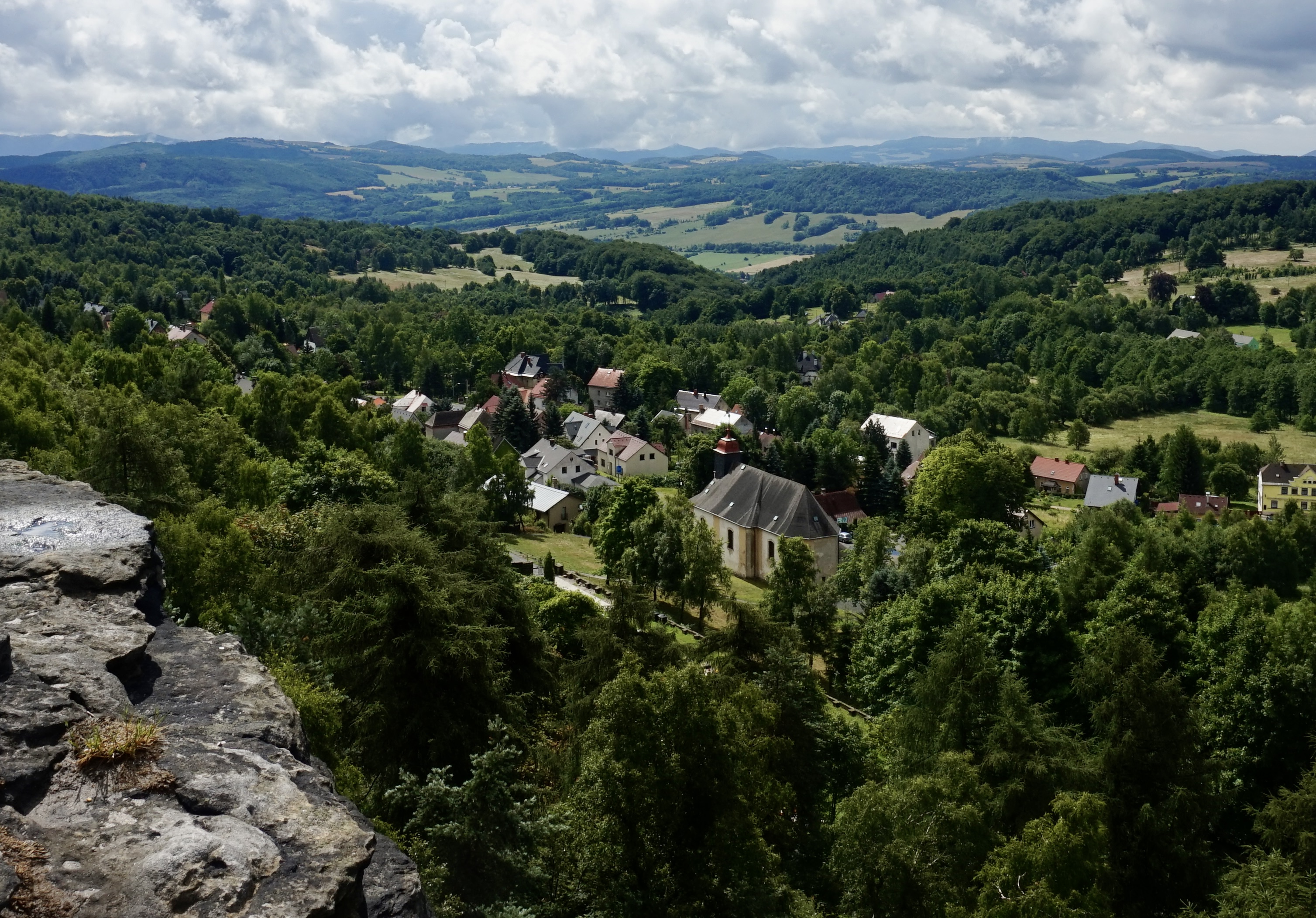
One morning, I climbed up to Mariina skála — a wooden lookout perched high above the forest near Jetřichovice. From up there, the view stretches for miles, the sandstone cliffs glowing gold in the morning light.
Not far away are the haunting ruins of Šaunštejn Castle, a medieval fortress carved right into the rock. Climbing up through the narrow passageways, you can almost picture life centuries ago when these cliffs were more fortress than fairytale.
And if you crave one last panorama before heading out, stop at the Belvedér viewpoint above the Elbe River valley. It’s one of the oldest lookouts in the region — peaceful, dramatic and the kind of view that makes you pause and realize just how lucky you are to be standing there.
Why It Belongs on Your List
For travellers who crave the outdoors but prefer a slower, more mindful pace, Bohemian Switzerland is a rare find. It's close enough to Prague for a day trip, yet rewarding enough to fill several days without ever feeling repetitive.
Here, you can wander under forest canopies, trace centuries-old river paths, or sit quietly as mist drifts through the gorges. You can watch sunrise from a rocky lookout, eat a perfect meal by a lakeside fire and still be back in Prague before the weekend’s over.
And if you’re lucky, you’ll leave — as I did — with a little of that green magic still clinging to your shoes.
Retirement Rides Quick Take
📍 Location: Bohemian Switzerland, Czechia
🥾 Best For: Walkers, hikers, photographers and nature lovers
💪 Fitness Level: Easy to Moderate
📅 Time Needed: 2–4 days
✈️ Nearest Gateway: Prague
⭐ What Stood Out: The combination of easy walking, spectacular scenery and surprisingly few crowds.
All photos by Steve Lyons
Story tags: